Sunday, February 27, 2011

Spanish Monsters-7th grade

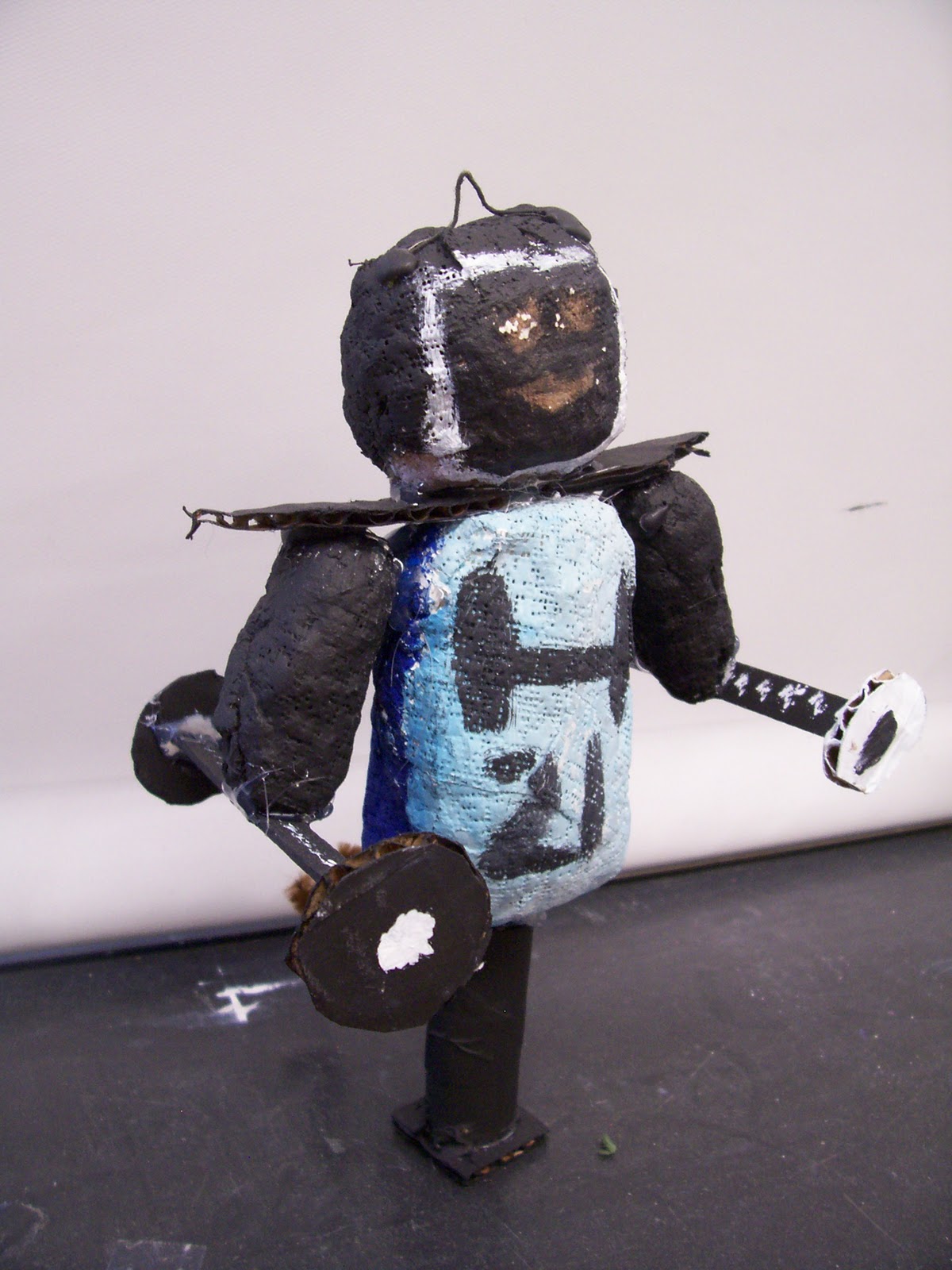
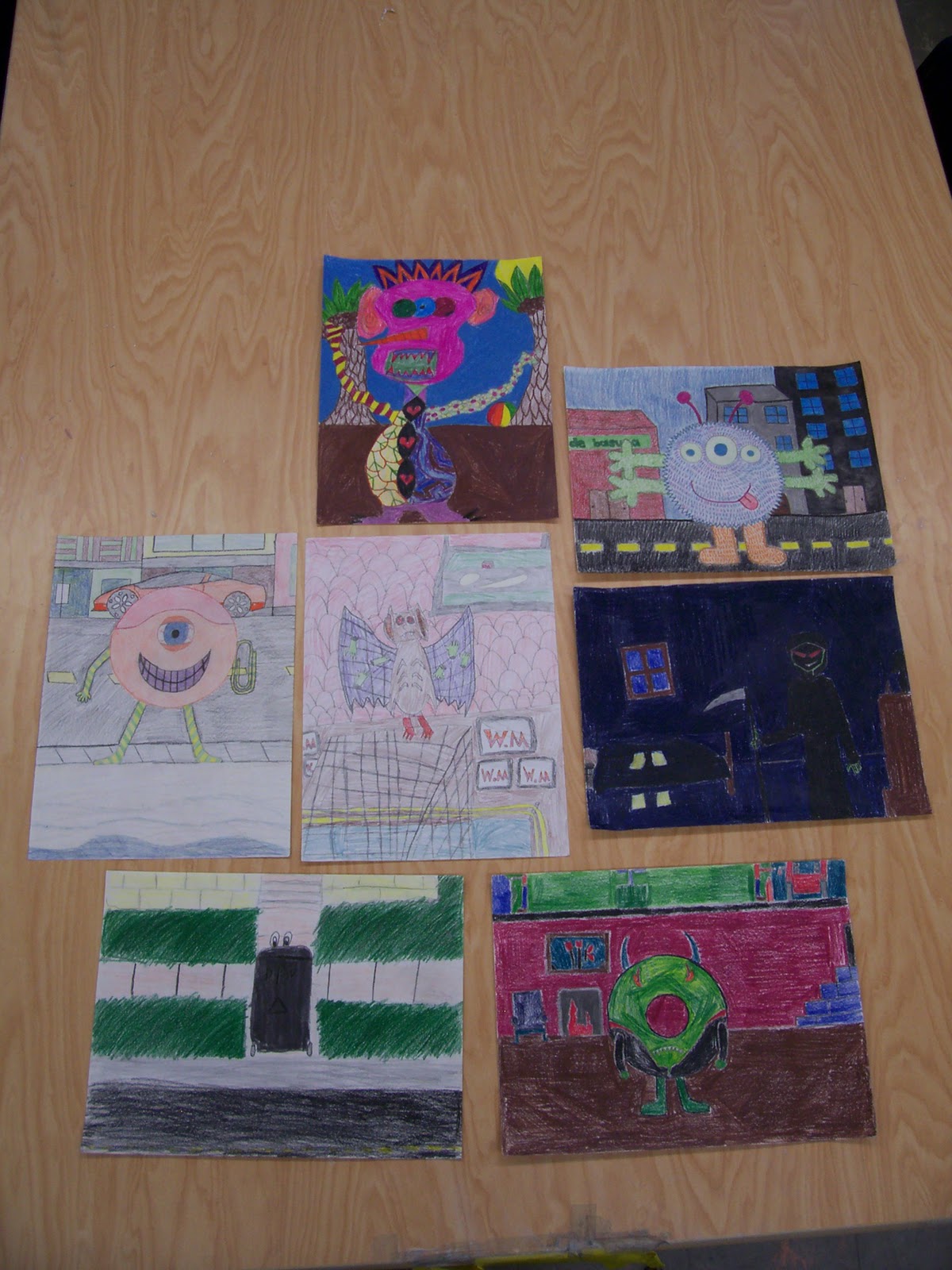
Mrs. Epple and I worked together this year to create a cross-disciplinary lesson that combined our subject areas for this fun 7th grade project; Spanish Monsters!

First, students brainstormed ideas for funny, silly, cute and kooky features that their made-up monsters might have.
Then, while forming a story in Spanish about their monsters, they were figuring out how they would draw or sculpt their monsters in art. What follows are the outcomes from art class. Enjoy!






Weaving-8th grade

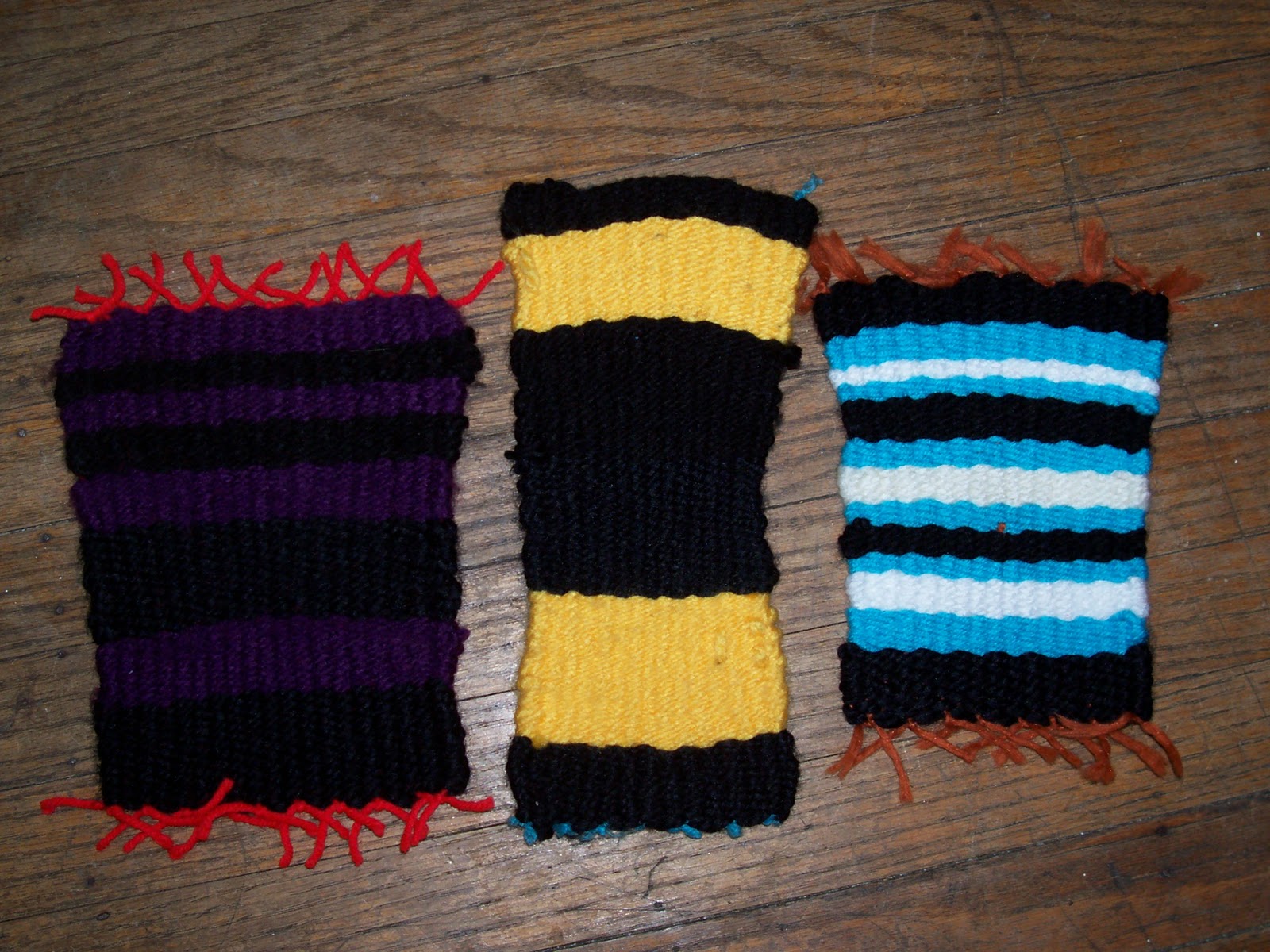
Weaving is a traditional practice that dates back to the Paleolithic era by some indications. This textile art is diverse in the regions that practiced it (and still do to this day) and the methods used. From simple cardboard looms, like those we used here at ICMS, to large manual looms used by one or two people to industrial factory looms, there are a variety of ways people create tapestries. One thing that is constant are the use of warp and weft threads and usually a shuttle.


ICMS art students were able to watch various videos of different people from varying cultures work on different looms. Many students were surprised to learn that while often times one might think of weaving as a 'woman craft', weaving is a practice that is used by many man in many cultures. The students took this information to each make their own patterned weaving.


Sunday, January 2, 2011

Van Gogh: 6th Graders' Aerial Perspective Landcapes


Aerial perspective is a technique that artists often use in painting to give the illusion of space on a 2-dimensional surface (such as a canvas or paper). The six graders' used techniques such as size, perspective, overlapping and color to help make their aerial perspective landscapes appear to have depth. To pull some art history into the lesson, we talked about Vincent Van Gogh, the well celebrated Post-Impressionist artist. The students were permitted to use either oil pastel or chalk pastel on this project and finished their artworks in the 'style' of Van Gogh by using gestural swirls and dynamic lines to show movement.